
It is still too early to predict what impacts the Portuguese economy may suffer in the context of the conflict in Iran. The fragments of the military offensive by the United States and Israel against the Iranian regime are generating global tension in international markets, mainly due to instability in the Strait of Hormuz, through which around 20% of the oil consumed worldwide passes.
Rising energy prices will inevitably be one of the first effects to be felt in consumers’ pockets. “We are in a situation of great instability in the world oil and gas bank. Portugal is a country that takes world market prices and there is pressure on the prices of oil, natural gas and derivatives, with all the nervousness that this causes, with a knock-on impact on inflation and what could result from it”, explains Nuno Ribeiro da Silva, energy specialist, to DN.
The former president of Endesa also believes that there is no question of a scenario of insufficient strategic supply reserves, whether of oil or raw materials, with an increase in the bill to be paid being the most immediate consequence.
“It is not expected that there will be aspects of physical cut, of lack of access to raw materials, oil and gas. Now let’s take the upward trend in prices as a table. The markets opened yesterday with an increase in oil of 13%, but then corrected slightly downwards, to 9%, which gives the impression that we are not in a critical situation. We have a worrying situation, but we are not in a critical situation. The cuts and this deregulation, particularly in oil, are more worrying for the countries in Asia, which is where the oil leaving the Middle East is mainly directed, than for Europe”, he points out.
For the consultant, time is the key factor in assessing the level of possible repercussions. “Everything will depend on the duration of the conflict. Every hour that passes, every piece of news that emerges, every drone directed at Saudi Arabia, configures aspects that only unnerve the market. If at this moment we had a scenario in which all this ended without further damage, oil would go down, even below 70 dollars per barrel. However, as a situation of damage to infrastructures and a lack of visibility about how this will all end, it becomes fuel to fuel the rise in prices”, attests.
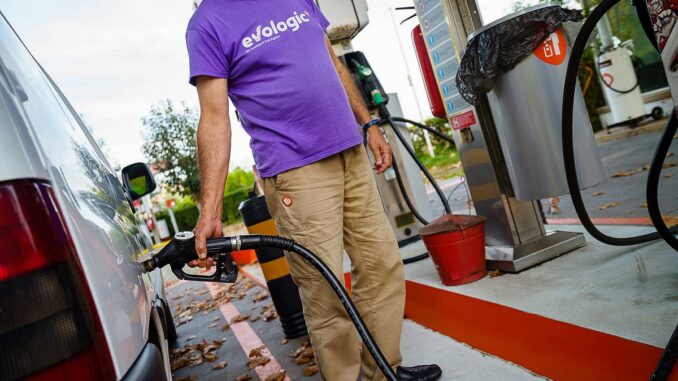
Also for Filipe Garcia, economist at Financial Markets Information (IMF), the rise in gasoline and diesel prices is, unquestionably, the most obvious reflection of what can be expected in the next two weeks.
“Although Portugal does not use Iranian oil, if the global price of oil rises, we will also be impacted and the same happens with derivatives – gasoline and diesel were rising by around 20% today”, he states.
The economist emphasizes that he does not expect “major constraints” at a logistical level for the Portuguese economy, since the oil and gas that the country imports comes from other geographies such as Nigeria or the United States.
Regarding electricity, the main consequences should be felt more by companies than by private consumers. “The majority of family customers have longer-term contracts. Price increases will be reflected more at an industrial level, in entities that do not have a fixed tariff. But all of this will depend on whether the situation will continue or not and for how long”, he adds.
Leave a Reply