
Witkoff was cautious in his choice of words when describing the mood in the Oval Office. “The President asked me about this first thing in the morning… I don’t want to use the word ‘frustrated’, because he understands that he has a lot of alternatives, but he is curious about why they haven’t — I don’t want to use the word ‘capitulated’ — but why they haven’t capitulated yet,” said the special envoy.
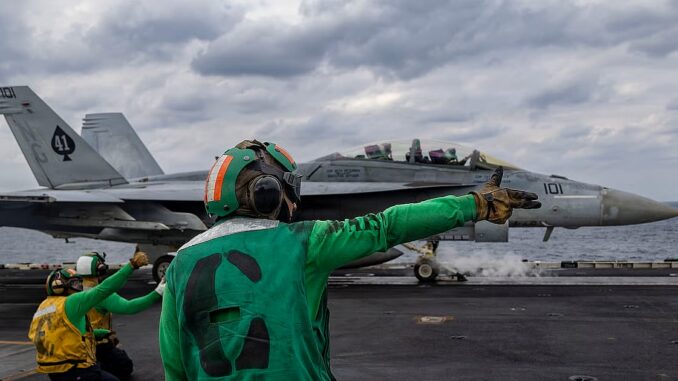
This “curiosity” arises at a time of maximum tension, when the United States maintains a robust naval presence in the regionincluding two aircraft carriers, as part of a deterrence and pressure strategy.
The ultimatum and the nuclear threshold
The Trump Administration has set a strict deadline, estimated at 10 to 15 days, for Iran to accept the terms of a new agreement requiring “zero enrichment” of uranium.. Witkoff stressed the urgency of the situation, warning that Iran could be just a week away from obtaining enough material to produce an industrial-grade nuclear weapon.
Despite Washington’s aggressive rhetoric, there are signs of diplomatic movement. Iranian Foreign Minister Abbas Araghchi recently indicated that Tehran could present a counterproposal in the coming daysalthough the regime continues to face strong internal pressure due to popular protests.
The special envoy reiterated that Trump’s strategy aims for a “real end” to Iran’s nuclear program, not just a delay. The combination of severe economic sanctions, diplomatic isolation and the threat of limited military action constitutes the core of current US foreign policy towards the Middle East, with Washington now awaiting a signal of total yield (or “capitulation”) from Tehran before the stipulated deadline expires.
Leave a Reply