
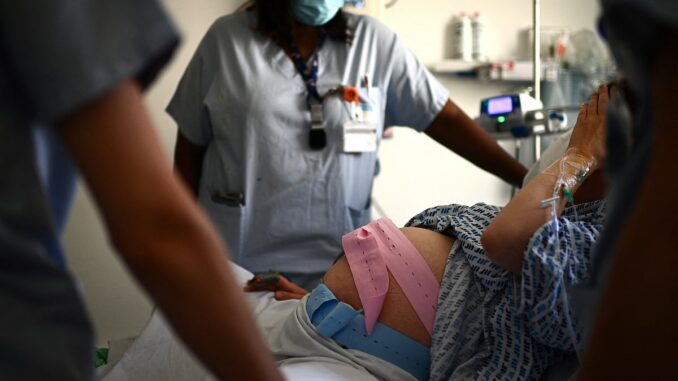
It had long been an ambition of specialist nurses in the field of gynecology-obstetrics. Afterwards, it was put on paper in a proposal submitted to the Ministry of Health more than two years ago. There were meetings with the Medical Association and it was defined under what circumstances specialist nurses can carry out this monitoring and for which patients. And this Monday. On the 9th, Order no. 1572/2026, of 9 dand February, which creates and defines the guiding principles for the application of the project for monitoring low-risk pregnant women in primary health care, was finally published.
The order comes into force from this Tuesday, the 10th, and the Executive Directorate of the National Health Service (DE-SNS) has 30 days to indicate the Local Health Units in which the project will begin to be tested, as one of its objectives is “to reinforce accessibility and equity in access to low-risk pregnancy surveillance”, according to the document.
Remember that this is one of the projects that the Ministry of Health announced as one of the solutions for pregnant women living in areas with more difficulty accessing care, such as consultations and exams, due to the lack of family doctors, namely Lisbon and the Tagus Valley. As the order states, “the implementation of the project created by this order takes place in primary health care units integrated into Local Health Units with low coverage of General and Family Medicine doctors.”
Hence, another of the objectives of the project now approved and published in DR is to “promote continuity of care throughout the pregnancy and puerperal cycle”; as well as “ensuring the provision of safe, quality healthcare based on current clinical guidelines, promoting family healthcare teamwork”.
This is a project that will cover “pregnant women with pregnancies classified as low risk, under the terms of Standard of the Directorate-General for Health no. 001/2023 or its updates” and each “ULS must designate reference doctors, specializing in General and Family Medicine, to monitor the new care model”, and “the classification of pregnancy as low risk must be subject to systematic reassessment in each care contact”.
This care model, already practiced in other Health systems in the European Union, “is based on a logic of interprofessional care integrated into the family health team, ensuring functional articulation between Nurses Specialist in Maternal Health and Obstetric Nursing, Doctors Specialist in General and Family Medicine and Doctors Specialist in Gynecology and Obstetrics”, specifies the order.
Leave a Reply