
The Chinese economy is expected to maintain growth of 4.4% in 2026 and 2027, below the levels of 2024 (5%) and 2025 (4.8%), according to a report from credit insurer Crédito y Caución.
The slowdown is explained by the loss of momentum in exports, internal structural challenges and a weak reaction in private investment in technologies such as artificial intelligence.
The document highlights that, unlike markets such as the United States, China records limited private investment in AI infrastructures, which reduces the positive impact on GDP.
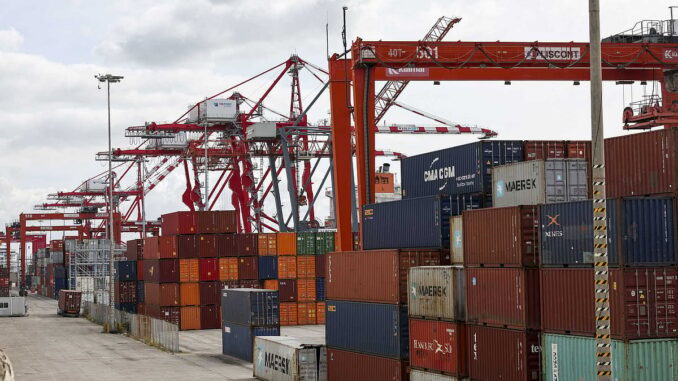
Exports are starting to slow down after a peak in purchases in early 2025 to avoid tariffs. For example, in October, exports fell 1.1% year-on-year, while imports grew 1%, according to customs data cited in the report.
Private consumption remains contained, penalized by high preventive savings and the correction in the real estate market, despite the growth in revenues and the increase in social consumption.
On the other hand, public investment has been reinforced, with a focus on strategic infrastructure and accommodative fiscal and monetary measures — including possible cuts in interest rates and reductions in mandatory reserves — to stimulate demand.
In aggregate, China will continue to grow above the global average (estimated at 2.8% in 2026), but faces risks that limit its dynamism, namely the slowdown in exports and the weak contribution of private investment in innovation, the report also maintains.
Leave a Reply