Europe reduced energy dependence on Russia after the invasion of Ukraine, diversifying gas suppliers, but remains vulnerable to price shocks and geopolitical tensions that affect supplies, experts consider.
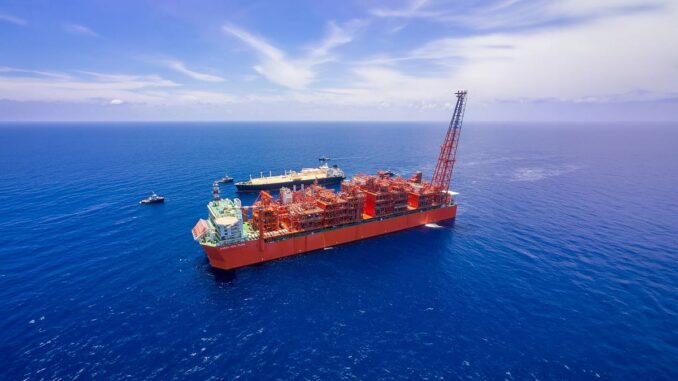
The energy crisis triggered by the invasion of Ukraine in 2022 led the European Union to reduce dependence on Russian gas, increasing imports of liquefied natural gas (LNG — gas cooled to very low temperatures to be transported by ship) and diversifying suppliers.
Bruegel’s energy and climate analyst — a think tankor independent public policy research and analysis center — Ugnė Keliauskaitė states that the main lesson was that “energy security cannot be based on a single dominant external supplier, especially when supply is associated with geopolitical risks”.
According to the expert, in 2021 Russia supplied more than 43% of the European Union’s gas, while currently LNG from the United States represents around a quarter of European supply, making it the second largest supplier after Norway.
Still, Ugnė Keliauskaitė considers that the new model has advantages and risks: Europe “has become more resilient”, because maritime imports make it possible to change suppliers more easily, but it has also become “more exposed to global market volatility”.
In an energy crisis, he adds, the problem will tend to be not so much a physical cut in supply, but “higher prices and stronger competition for shipments”.
João Borges de Assunção, professor at the Portuguese Catholic University, also argues that the crisis showed that “energy dependence is not just a price problem, it is also an operational risk”.
According to the economist, the European strategy allowed us to reduce exposure to a single supplier, but brought new vulnerabilities, having “transferred part of the risk to global market volatility, particularly in LNG, where we compete with Asia”.
“There is no way to eliminate global geopolitical risk. Mitigating the effects of all systemic risks by states has an unbearable cost”, he pointed out.
The person in charge adds that the Europe has become more dependent on the international market for liquefied natural gas, where prices are often set in the so-called market. spot — short-term market in which energy is bought and sold at the current price.
Ricardo Cabral, professor at ISEG – Instituto Superior de Economia e Gestão, has a more critical view of the European response to the crisis.
The economist considers that he “would not speak of a lesson” from the crisis after the war in Ukraine, arguing that Sanctions on Russian oil and gas and its replacement with LNG “were ill-founded decisions that cost European and Portuguese industry and families dearly due to the surge in inflation and rising interest rates in 2022 and 2023”.
“We will face much higher costs from sanctions against Russia in the coming weeks and months, if the US and Israeli war against Iran continues. Fuel supply disruptions will occur in the EU and also in Portugal”, he warns.
As for the energy supplier diversification strategy, he understands that it was “just the term used by European Union authorities to sell a narrative to the general public”.
“As it was and is just propaganda, it collapses like a house of cards when confronted with the reality of the facts on the ground. If it had been a strategy of diversifying the risk of suppliers, we would not be at risk of a fuel supply disruption in the EU in the coming months”, he maintained.
Ricardo Cabral also warns that Europe remains vulnerable to new disruptions in the energy market, especially if conflicts in the Middle East affect global supplies.
In this context, he argues that Portugal must protect strategic assets in the energy sector, warning of the risk of loss of national control over key companies.
“Portugal should gradually protect its interests (…) and should not let Galp sell to Moeve, which is a group 61% controlled by the United Arab Emirates and BlackRock [EUA] ”, he said, adding that the country should also assess whether the Amorim Group “has the conditions to remain ahead of the fortunes of Galp, a company that was sold to it under very advantageous conditions by the Portuguese State, under the condition of remaining under Portuguese control”.
Leave a Reply