
The group of hackers Handala Hack, associated by the cybersecurity sector with the Tehran regime, claimed responsibility for a digital offensive against two large North American corporations: the medical technology company Stryker and the payment network Verifone. The attack is presented by the collective as a direct response to the bombing of a school in Minab and the military escalation that resulted in the death of Iran’s supreme leader, Ayatollah Ali Khamenei.
Stryker, one of the world’s largest suppliers of medical equipment, confirmed in a statement sent to the US Securities and Exchange Commission (SEC) that it had been the target of a “cybersecurity incident”. According to the company, the action caused a “global disruption” in Microsoft applications used internally, affecting workflow in several geographies.
While Stryker management ensures that the incident is “contained”, it admitted that there is still no timetable for full restoration of functions.
Handala Hack justified the target by citing the company’s “close ties” to Israel, exacerbated by its acquisition of an Israeli firm in 2019.
Verifone denies interruptions
In contrast to Stryker’s situation, Verifone — an American electronic payments giant — downplayed the group’s claims. Speaking to AFP, the company stated that it found “no evidence” of an invasion and guaranteed that there was no interruption in services provided to its customers.
Experts warn that the group often uses “information warfare” to amplify the perception of chaos, even in cases of inconsequential attacks.
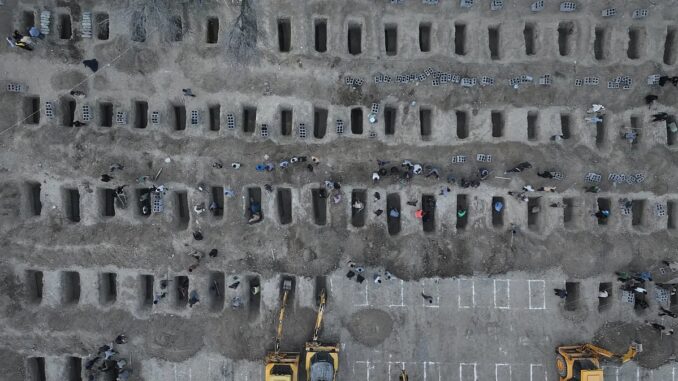
Handala Hack positions its actions as retaliation for the bombing of the Minab girls’ school, in southern Iran, on February 28, which according to official figures killed more than 150 people.
Although President Donald Trump has repeatedly denied U.S. responsibility, an internal military investigation released by The New York Times suggests that the massacre was the result of a coordination error by US forces, which were targeting an adjacent Iranian base.
The Handala Hack collective, whose name pays homage to a symbolic figure of the Palestinian resistance, has stood out for its use of hybrid methods: It has already carried out data theft, exposing confidential information from entities with links to Israel, ransomware actions, blocking critical systems for extortion or political sabotage, as well as defacing official websites to propagate political messages.
The digital battlefield is thus consolidated as the “fourth front” of this conflict, aiming to reach the economic and logistical heart of Western powers.
Leave a Reply