
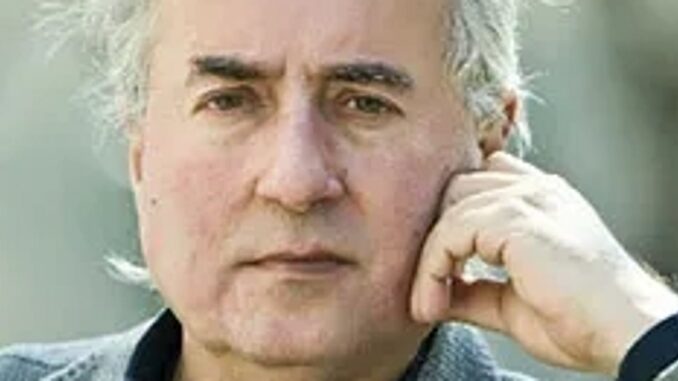
I remember seeing him trying to deny this literary subject as predominant in the work in front of Eduardo Lourenço and wanting to move away from Africa a little. After all, he wanted to leave a broader vision of his art, which he was attempting in exceptional novels, e.g. Sôbolos Rivers That Goto remove from their writing arm the tattoo of armed conflicts for those who inhabit the interior of the human being. Maybe because of his psychiatric training, maybe because of the cancer that scared him, maybe because he was passionate about the world of vulgar Portuguese that filled his fantasies, maybe instigated by the many awards that only he received here… Certainly the Nobel Prize for Literature that he obsessively pursued.
Now, surprised by the death that woke everyone up yesterday after an absence of a few years from literary news, there will be those who will read it again. Yes, the day of national mourning is a fair tribute from a country in which Culture is decoration for rulers and elites, but it will be the (re)reading of his works that would give him that pleasure he had when, in secret, he delighted in seeing people with his books in their hands. I wanted them read for at least 500 years, two thousand if possible, so much so that when I saw young people reading I was certain that I would have readers for a few more decades. The big thorn in his throat was the fact that his chronicles began to be read more than his novels, nothing that he wasn’t guilty of, as they were masterful.
There is a truth about António Lobo Antunes that must be recorded: he was the truest writer that the Portuguese had in freedom. Someone who only lived to write; Outside of fiction, there was no reality worth living in.
Author of ‘A Long Journey with António Lobo Antunes’
Leave a Reply