
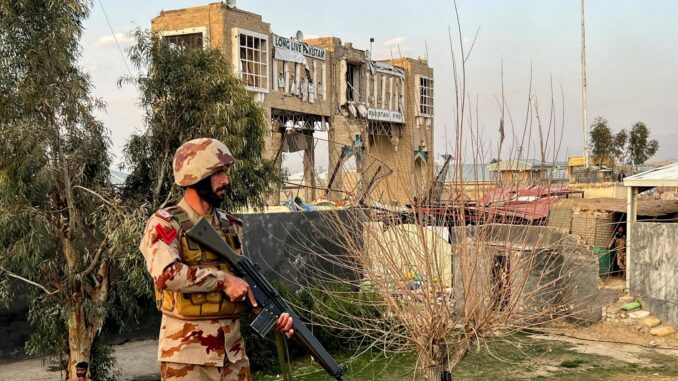
The early morning of Friday February 27Pakistani aircraft bombed Kabul, the Afghan capital. It was the beginning of an ‘open war’ between the two neighboring countries after several days of clashes on the border.
Just 30 hours later, the Israeli attack on Tehran with the support of the United States made the front pages of all the media and the conflict between Afghanistan and Pakistan was drowned under the torrent of information about the war in Iran.
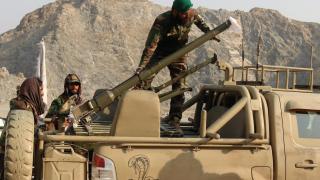
But the fighting on Afghan soil has not ended: the taliban government announced Sunday morning that its forces had deployed anti-aircraft artillery and missile systems against fighter-bombers that had penetrated its airspace. The defenses repelled an attack on the Bagram military base.
The spokesperson for the Kabul Government, Hambullah Fitratdeclared today at a press conference that 110 civilians had died and 123 had been injured as a result of actions carried out in different border towns. He denounced that enemy forces were “indiscriminately bombing” the civilian population. The offensive has caused the displacement of 8,400 families and numerous material losses.
In the province of Nangarharthe Pakistani army used drones against alleged sites of the TTP (Tehrik-e-Taliban Pakistan), the declared terrorist organization fighting for a Taliban government in Islamabad. The same sources reported that the mortar attacks reached the Omari camp, causing deaths among minors and injuries to medical personnel.
Likewise, medical sources in the Afghan province of Pact confirmed the reception of 29 non-combatant deaths after air strikes in rural areaswhile in the camp Anzargi (Takht-e-Pul area, in the Afghan province of Kandahar), artillery killed five more minors in the last 72 hours.
Both sides have reported severe losses for the enemy, but the data provided is difficult to confirm: the Pakistani Government, through its Minister of Information, Atta Ullah Tarrarplaced the number of Taliban deaths since the start of the operation at 482.Ghazb mil Haq‘ (Anger for the Truth).
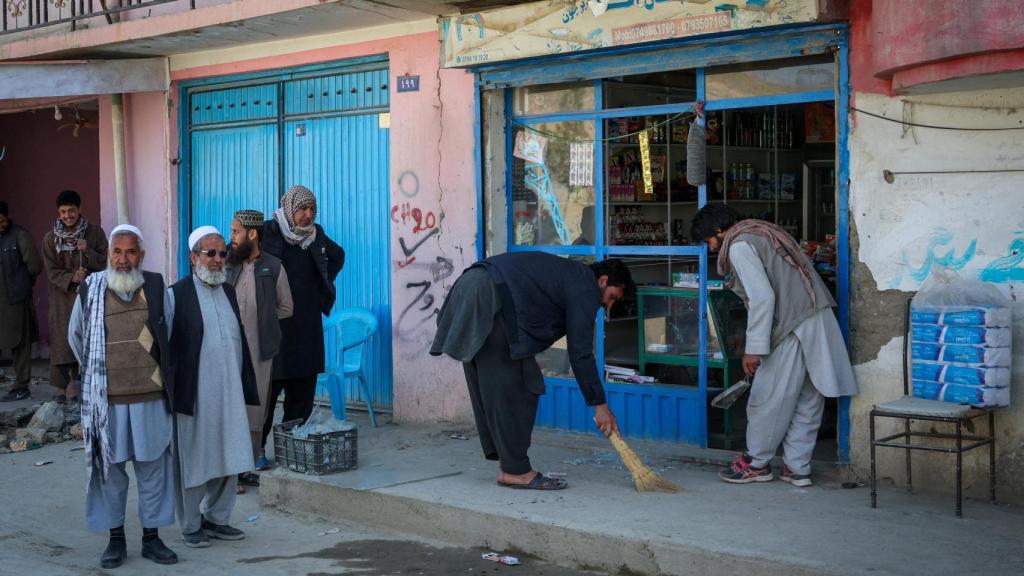
Neighbors of Darul Aman, near Kabul (Afghanistan), collect broken glass after the Pakistani bombing.
Reuters.
The figure includes 67 deaths in raids this Monday in the provinces of Balochistan and Khyber. As for its own troops, the Islamabad military command declares that it has lost 13 soldiers. Sources from the Afghan Army indicate that 13 own soldiers and 110 enemy soldiers have died.
The causes of the conflict
The recent origin of this war is in the terrorist actions perpetrated by guerrillas from the Pakistani faction of ISIS supported by members of the TTP. According to data provided by the Pakistan Institute for Conflict and Security StudiesIn 2025, deaths due to terrorist acts rose to 3,413, the highest number in the last decade.
The Islamabad Government denounced the Kabul Government for sheltering the TTP terrorists on its territory and demanded that it take action. The Afghan authorities responded that their country was not a refuge from any action against other nations. To the border conflict we must add an old regional dispute as a consequence of the alleged independence of Balochistanthe westernmost region of Pakistan that also allegedly harbors terrorists.
In recent months, tension had risen as a result of the expulsion of Afghan refugees who fled en masse to Pakistan after the departure of the United States from the region. The suicide attack on February 6 against the Trilai Kalan Shia Mosquein Islamabad, caused 32 deaths and 170 injuries. It was the trigger for retaliatory actions against TTP sites in Afghan territory.
Kabul reacted by attacking border posts of its southern neighbors. On February 21, aerial bombardments on guerrilla positions in Nangarharwhere 13 Afghan civilians died, according to local authorities. Ground fighting has intensified in 16 points in the Pakistani province of Balochistanaffecting the districts of Qilla Saifullah, Noshki and especially the Chaman area, a vital border crossing where clashes are forcing the flight of thousands of people into the interior of Afghanistan.
unequal fight
The difference in military power between the contending parties is abysmal. Pakistan has a powerful army. Its air force includes nearly 500 combat aircraft. Among them, 44 American F-16s and 130 JF-17s, a fourth-generation fighter of Chinese origin. On land, it deploys nearly 3,000 battle tanks and has 130 nuclear warheads.
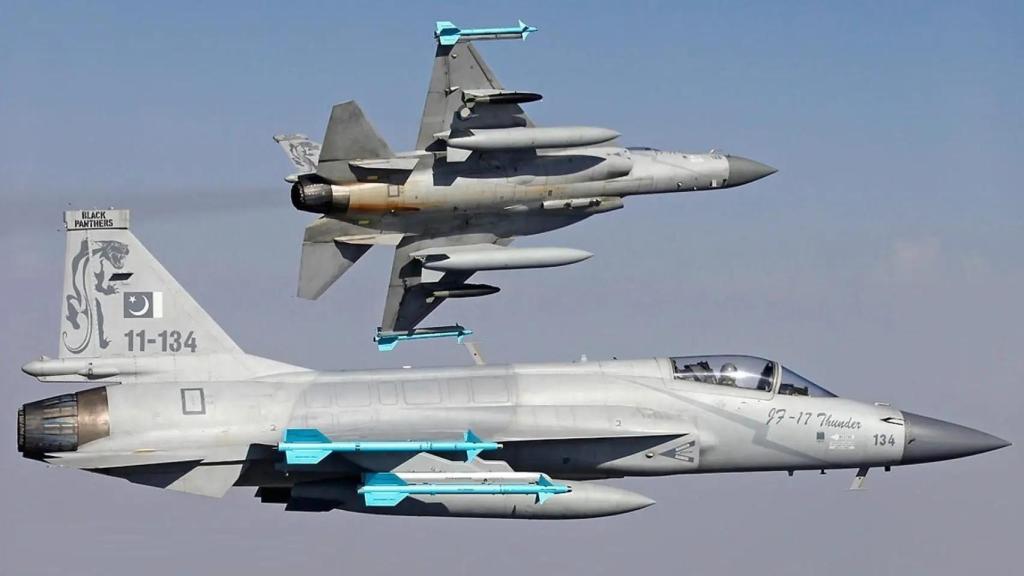
Chinese JF-17 Thunder fighter-bomber of the Pakistani Air Force.
EE.
Afghanistan has part of the arsenal abandoned by US forces, but its operational status is unknown. It does not have fighter jetsbut its troops are seasoned in guerrilla fighting after decades of confrontation against the occupying powers.
Call for de-escalation
Paradoxically, Iran was the first country to request a de-escalation immediately after the conflict and offered to mediate between the two countries, with which it shares a border. In turn, the United Nations, the European Union, Russia, Saudi Arabia and the Gulf countries called for a cessation of military operations, citing the growing risk of “breaking regional stability.”
The Taliban government announced on Sunday that its country was willing to start peace talks, but Pakistan rejected the proposal. However, the two sides have been ready to call for a de-escalation in the Iran war.
According to Al Jazeera, the former Afghan diplomat Omar Samad warned that the conflict in the Persian Gulf could distract international efforts to end the conflict between Afghanistan and Pakistan.
Leave a Reply