
The keys
nuevo
Generated with AI
nuevo
Generated with AI
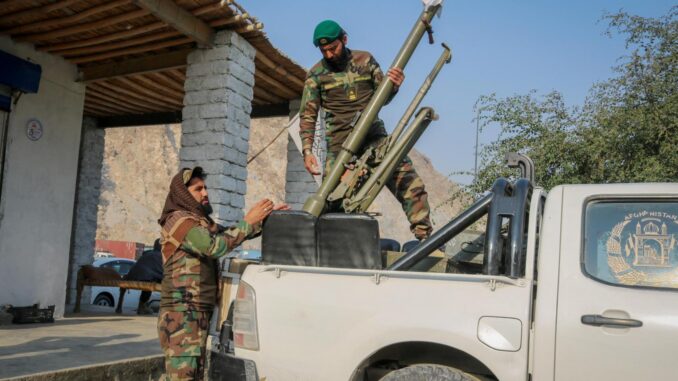
Months of tension between Pakistan and Afghanistan have erupted in the form of “open war” with the bombing ordered by Islamabad against the main cities of the neighboring country. The attacks, both air and ground artillery, have reached Taliban barracks and military bases in several points, including the capital, Kabul.
The Pakistani air forces had already ordered an attack on Afghan soil insurgent groups supporters of the Taliban regime who have been attacking its infrastructure to then take refuge on the other side of the border. Last October, border clashes between the armed forces of both countries left dozens dead before mediation by Türkiye, Qatar and Saudi Arabia.
The hostilities put an end to the truce signed on Qatari soil and increase tension in the region. Pakistan is a nuclear power while the Taliban took over a large part of the arsenal abandoned by the United States in its hasty withdrawal in 2021.
What is the cause of the conflict?
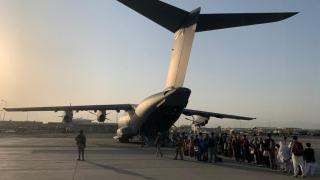
Pakistan has been one of the great supporters of the restoration of the Taliban regime, celebrating the US withdrawal as a liberation “from the chains of slavery.” However, in the last five years the relationship has deteriorated due to the activity of the pro-Taliban guerrilla against Islamabad.
Since 2022, the Tehreek-e-Taliban Pakistan (TTP) group has increased insurgent attacks against military and civilian targets by 70%. Although Kabul denies it, Pakistani authorities denounce that these militias receive support and refuge in Afghanistan, with the Taliban – with whom they maintain complete ideological harmony – refusing to confront them.
Why do they go into open war?
The truce signed in Qatar last fall has been broken since Pakistan began bombing targets inside Afghanistan a week ago. The Pakistani Ministry of Defense then assured that it had “irrefutable evidence“on the relationship between these positions and at least seven attacks, some of them suicidesagainst its population.
The most serious of these occurred in the border district of Bajaur, a frequent target of violence. Eleven agents and two civilians died at the hands of an attacker of Afghan nationality, in an attack claimed by the TTP. The retaliatory bombing, for its part, mainly affected “civilians” according to the Emirate – the name by which the Kabul Taliban call themselves – which responded by attacking the border fence.
Who are the insurgents?
The TTP has existed since 2007 and is the fruit of a coalition of several gangs in northwest Pakistan. Their targets have been markets, mosques, airports, police stations and military bases in Pakistan, and they have managed to gain a foothold in the Valle de Swat. The attack that brought them worldwide infamy was the attempted murder in 2012 of schoolgirl Malala Yousafzai, who survived and won the Nobel Peace Prize two years later.
The Pakistani Taliban supported their Afghan comrades during the war against the US-led coalition, offering shelter to guerrillas in Pakistani territory. In 2016, Islamabad ordered a major military offensive who managed to put them into retreat. However, the return of the Kabul Emirate has revitalized them.
What are the forces involved?
Pakistan plans to maintain its bombing campaign to destroy Afghan military infrastructure. The Taliban do not have the same artillery capacity, but they have specialized in guerrilla warfare, which is enormously damaging to their enemies. The guerrillas who attacked the border in the last hours, according to Pakistani sources, were wearing equipment like night vision goggles looted from Americans.
In any case, the difference in forces is abysmal. The Pakistani army has 600,000 troops, 6,000 armored vehicles and 400 air assets, according to data from the International Institute for Strategic Studies. Furthermore, as its neighbor India is a nuclear power. It is estimated that the Taliban have 172,000 fighters, a small number of already aging armored vehicles, and zero air force in practice.
How does it affect the population?
Civilians have been the most affected on both sides of the border by both indiscriminate attacks and bombings to kill combatants, who often hide in population centers. Furthermore, Pakistan’s decision to expel Afghan refugees back to their country weighs heavily, a number that has reached one million displaced people and has fueled disaffection against Islamabad.
Leave a Reply