
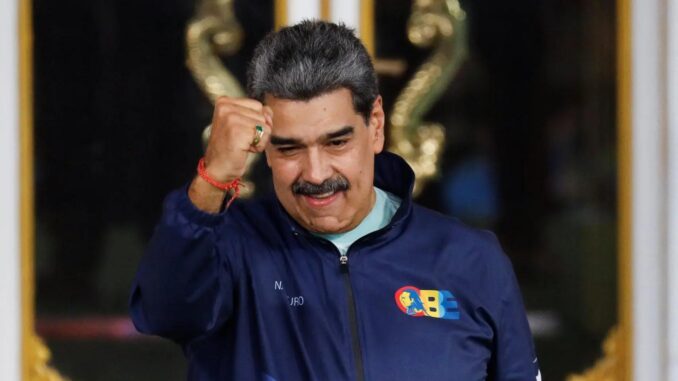
The unexpected capture of the former president of VenezuelaNicolás Maduroat the beginning of January by the United States marked a before and after in bilateral relations between both countries. The military operation, which culminated in the arrest of Maduro and his transfer to New York to face federal charges, also shook world politics by showing the image of a head of state captured and forcibly removed from his own territory.
The Venezuelan leader had been isolated internationally for years, but criticism increased in 2024, after the opposition, led by María Corina Machado and Edmundo González, denounced electoral fraud and Maduro refused to present the records of the results. Maduro, however, seemed calm. This was shown even after the US sent an armada of warships and fighters to the Venezuelan coast at the end of 2025, and had intercepted numerous ships.
In fact, it seems that he celebrated the New Year with part of his family at his home in Caracas, as people close to the former president have reported to the New York Times. Those attending the party held by the Venezuelan presidency tasted several traditional dishes, such as hallacas or ham bread. They listened to bagpipes, fast-paced Venezuelan Christmas songs, the American newspaper reported. The next day, Maduro sent a message wishing a “Happy New Year” to his Armed Forces.

The United States had been threatening to carry out a military attack in Venezuela for some time if Maduro did not leave power, but the Chavista leader had assured time and again that “they would not dare to attack.”
He NOW adds in his information that, although Maduro was aware that there were spies working against him and feared betrayal within his ranks, he appeared calm and went as far as to assure those around him that “I had time to reach an agreement“, which would allow him to remain in power or leave office under his conditions.
Until the end, people around him cited by the newspaper maintain, Maduro believed that the US military deployment in the Caribbean was a pressure tool to force an agreement, not the prelude to a direct intervention in Caracas.
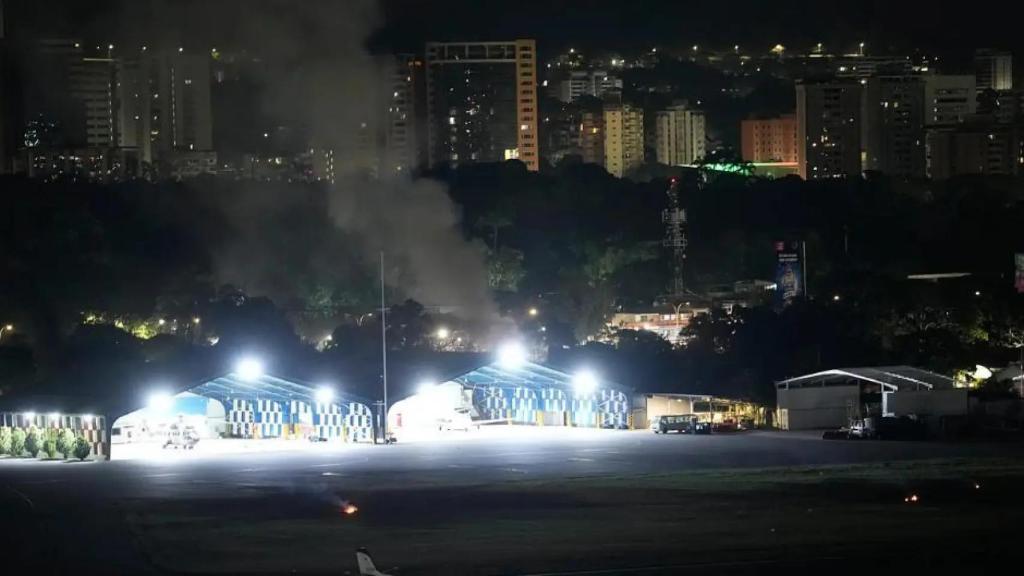
Several explosions shake Caracas: several military bases impacted.
Reuters
The Chavista leader thought that the most likely outcome would be a limited attack against oil infrastructure or enclaves linked to drug trafficking, which would force him to engage in some type of negotiation with the Trump Administration.
A confusing call
The telephone conversation between Trump and Maduro on November 21, 2025, led to confusion in Caracas. After this call, the Venezuelan leader thought he had room to negotiate with the US Administration, but the US thought differently.
The dialogue between both leaders had a duration between five and ten minutesbut as reconstructed NOWended up being decisive in the outcome that culminated on January 3 with the capture of Maduro, in an unprecedented US military operation on Venezuelan soil.
According to four people familiar with the call cited by the New York newspaper, Trump maintained a cordial tonein which he even praised the voice from the Venezuelan president, which they read from Caracas as a gesture of cordiality between both and a desire for negotiation.
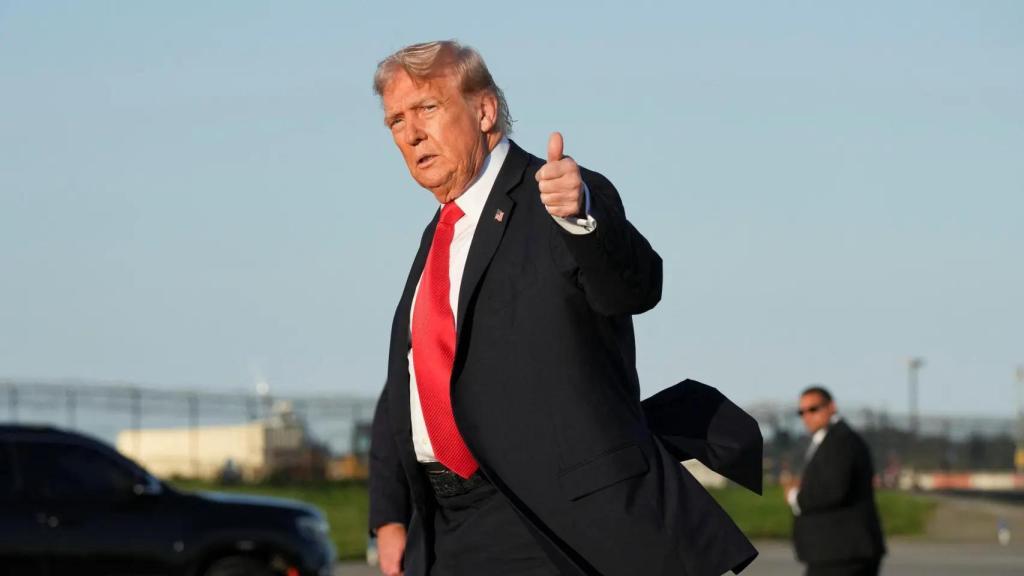
Donald Trump, president of the United States, during an archive image.
Reuters
According to the information, Trump told his interlocutor: “You have a strong voice“ (“You have a strong voice”), in a relaxed tone.
The Venezuelan president interpreted Trump’s gesture as a sign of rapprochement and personal harmony. According to sources close to the Venezuelan leader, the president believed that his folksy style and its direct form By talking they had generated a connection with a leader known for his unfiltered communication.
In fact, according to the sources cited, Maduro even assured Trump that “You would be more impressed to meet him in person.“.
Trump responded to this proposal and invited Maduro to Washingtonan invitation that the Venezuelan president politely rejected for fear of a trap, according to sources. Instead, Maduro proposed meeting on neutral territory outside the United States, something Trump rejected.
Despite not reaching any agreement during the conversation, Maduro thought he had gained time to face future negotiations, which led him to act calmly despite being the president of a territory under high surveillance by the US authorities.
However, from the White House the reading of this telephone conversation was radically different. According to a US official close to the call who took the NOWMaduro’s attitude was interpreted by the Republican leader as a challenge.
This official assures that the call was made with one intention: for Maduro to present his plan to abandon power. The Venezuelan leader’s lack of concern was interpreted as a sign that he was not willing to negotiate seriously.
In short, contrary to the apparent perceived attunement from Caracas, for Trump, It was not a show of trust.but of defiance, which made the American president convinced that it was necessary to carry out a military operation in Venezuela.
Maduro, instead of capitulating after the calltook to the streets to project control. The leader of Venezuelan socialism cbegan making public appearances almost daily and without prior notice, dancing, singing and chanting slogans in exaggerated and rudimentary English.
“Please, please, please: yes peace, not war”insisted her canned voice while dancing to electronic music in the presidential palace on November 21, the same day she had her telephone conversation with Trump.
This was shown to the US president, who was visibly upset with the attitude adopted by Maduro after having a conversation with him, according to a person familiar with the matter.
The Republican leader interpreted the Venezuelan leader’s extravagances as a mockery, further tipping the balance towards a military incursion, the source added.
The Chavista regime was internally fractured, so Maduro had to face two problems: internal difficulty and constant threats from the United States.
The Venezuelan president, after ignoring the results of the 2024 elections, had decided get closer to the toughest factions of the Socialist Party from Venezuela,
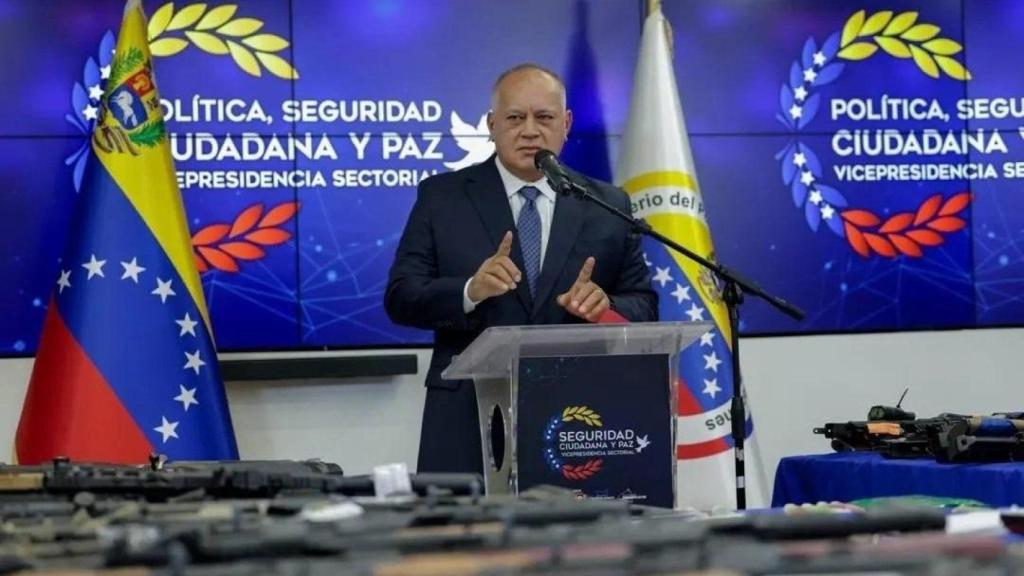
The Minister of the Interior of Venezuela, Diosdado Cabello.
Europa Press
This current, led by the Minister of the Interior, Diosdado Cabello, demanded greater repression internal to remain in power and greater state control over the economy.
Maduro He began to distrust his vice president, Delcy Rodríguezconsidered more pragmatic, according to close people, which led him to consider the option of dismissing him, although he did not do so because he needed it for his ability to lead the country’s economy.
At the same time, from the White House, had identified in their vice president a person with whom to draw up a negotiation between both administrations and with whom to work, although there are no indications that he was aware of the Pentagon’s military plan.
As explained NOWRodríguez, like other high-ranking Venezuelan officials, was on Christmas vacation on the island of Margarita, a place known for its Caribbean beaches and luxurious villas of the Venezuelan wealthy class.
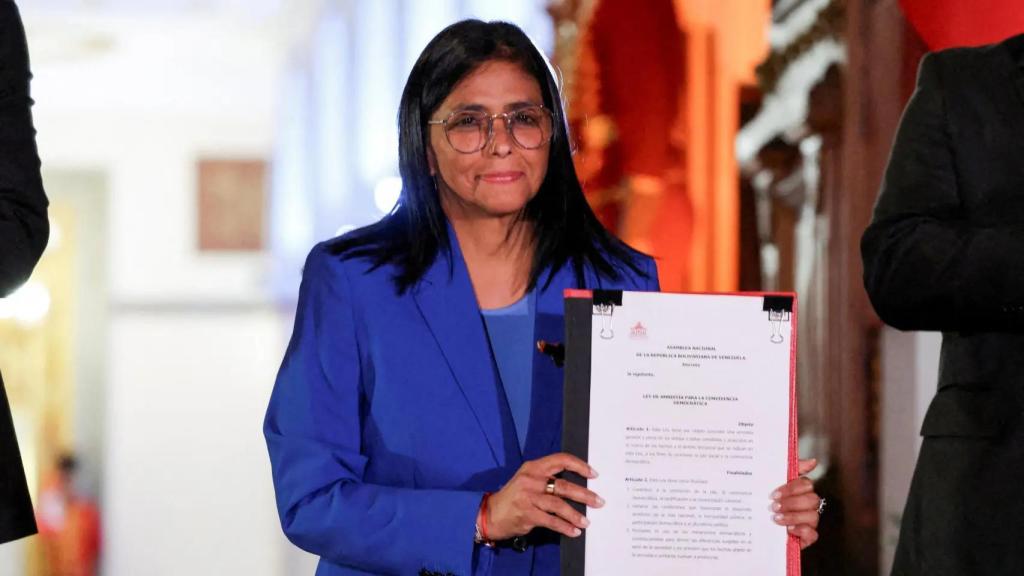
The interim president of Venezuela, Delcy Rodríguez, holds the text of the amnesty law
Reuters
Just a few minutes after Maduro’s capture, he received a call, according to people close to the conversation. A series of US officials warned him that “he had to cooperate” or “a series of bombings would begin”on buildings linked to the regime.
At that time, he demanded evidence confirming that Maduro was still alive, and after obtaining the evidence, he ended up accepting the conditions and returning to Caracas.
Two days later, she assumed the role of interim president of Venezuela, under the threat of a Trump Administration, which has assured that Rodríguez “is doing a great job” and that they maintain a “cordial and direct relationship” with the Caribbean country.
Leave a Reply