
The keys
nuevo
Generated with AI
nuevo
Generated with AI
He United States Government smuggled into Approximately 6,000 terminals will go satellite internet Starlink after the brutal regime repression against demonstrations last month.
This is the first time that Washington has directly sent these teams from the Elon Musk’s company to Iran, as reported this Friday The Wall Street Journal (WSJ) citing US officials.
Owning one of these terminals in Iran is not without risks. The possession, purchase, sale or use of Starlink terminals or other unauthorized satellite Internet devices is classified as a crime and is punishable, in most cases, with between six months and up to two years in prisonin addition to the seizure of the terminal.
According to the newspaper, the State Department had acquired nearly 7,000 Starlink terminals between the end of last year and January 2026.
Trump himself would be aware of these deliveries, although it is unknown if it was himself or someone under his charge. who approved the plan.
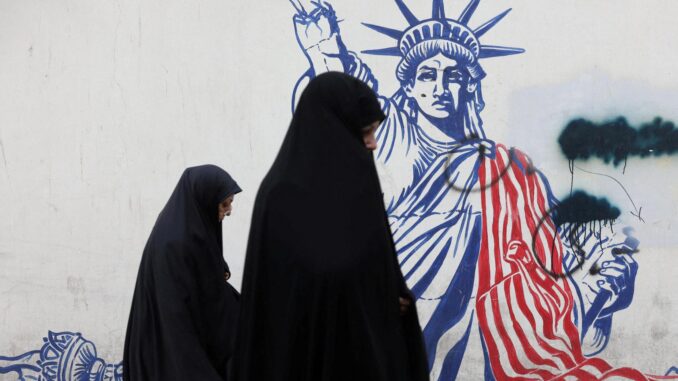
The ayatollah regime has accused the US, without providing evidence, of encourage popular dissent and in organizing the demonstrations that shook the Persian nation last year.
Accusations that Washington has totally denied.
Despite this, as the White House confirmed last month, Trump and Musk spoke about ensuring that Iranians could use Starlink to access the Internet during the protests and the blockade imposed by the regime.
Internet blackout
Last month, the Iranian governmentHe imposed an almost total Internet blackout to try to quell the wave of protests.
On January 8, when the mobilizations were twelve days old and spread through the main cities, the authorities simultaneously cut off mobile and fixed internet services, as well as a large part of telephone communications, leaving some 90 million people practically incommunicado from the rest of the world.
The measure coincided with the height of the demonstrations, which began in collapse of the rial and the rise in food pricesbut they soon became a frontal challenge to the political system established after the 1979 Revolution.
The blackout was not only a tool of censorship, but also a mechanism to cover up repression.
Human rights organizations denounce that, by cutting access to social networks and messaging services, the Government sought to prevent videos, lists of victims and testimonies about the use of lethal force from circulating against the protesters.
In those days, Different sources already speak of thousands of deaths and saturated hospitals. of gunshot wounds, while The communication blockade made it difficult to independently verify what happened.
For Iranian society, the January 2026 blackout adds to a pattern of selective disconnections used for years, but this time with a scale and duration that illustrates the extent to which the regime is willing to isolate the country to preserve its internal control.
Leave a Reply