
The Government of Cuba has started to close some hotels and is transferring tourists to other units, as part of a package of measures to face the energy crisis and fuel limitations, news agency EFE reports.
Deputy Prime Minister Oscar Pérez-Oliva Fraga stated on Friday, February 7, on state television that “a tourism plan has been designed to reduce energy consumption, compact tourist facilities and take advantage of the high season currently taking place in the country”.
The Minister of Foreign Trade and Foreign Investment did not specify details about this “compaction” of the tourist infrastructure, but, according to the Spanish agency EFE, hotels are being closed and international tourists are being relocated to other centers.
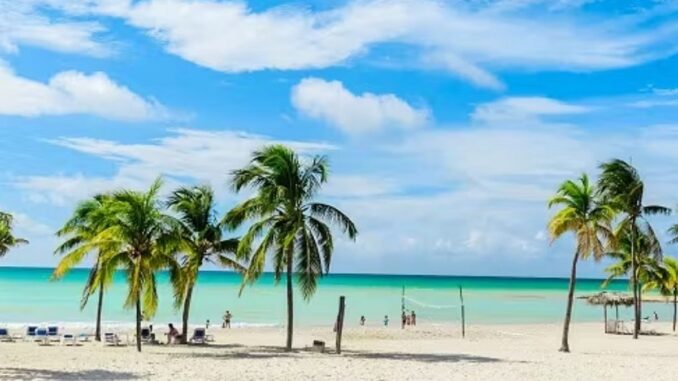
The affected hotels are located mainly in Varadero and the north of the island, comprising units from chains such as the Spanish Meliá and Iberostar and the Canadian Blue Diamond.
Cuban tourism, the traditional engine of the economy, recorded the worst year since 2002 in 2025, with 1.8 million international visitors, compared to 4.7 million in 2018.
Canada and Russia were the main source markets, with 754,010 and 131,882 tourists, respectively, but both recorded annual declines of 12.4% and 29%.
The current crisis results from a combination of factors, namely United States sanctions, the impact of the Covid-19 pandemic, energy and economic limitations, and the reduction in international flights.
To address the fuel shortage, the Cuban Government also applied measures such as fuel rationing, encouraging teleworking and blended classes.
President Miguel Díaz-Canel said that the anti-crisis plan is inspired by the strategies of the so-called “Special Period” of the 1990s, including self-sufficiency measures and extreme rationing in the case of a “zero option” for energy supply.
Leave a Reply