
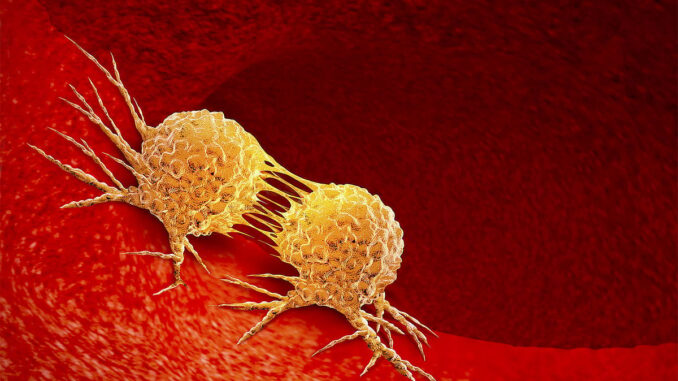
Almost four in every ten cancers globally can be prevented, as they are associated with avoidable risk factors, such as tobacco and alcohol consumption, warned this Tuesday, February 3, the World Health Organization (WHO).
Em 2022, “approximately 7.1 million of the 18.7 million new cancers diagnosed in adults were attributable to risk factors”highlighted Isabelle Soerjomataram, one of the authors of the study presented at a press conference, on the eve of World Cancer Day.
The WHO research looked at 30 preventable causes, including tobacco, alcohol, high body mass index, physical inactivity, air pollution, ultraviolet radiation and, for the first time, nine cancer-causing infections.
According to Isabelle Soerjomataram, cases linked to these 30 preventable causes represented around 37.8% of the total number of new cancers, which constitutes a “very substantial proportion” worldwide.
The specialist from the WHO cancer research agency also added that, of the 7.1 million cancers linked to preventable risk factors, 3.3 million were associated with tobacco, 2.2 million with various infections and 700,000 with alcohol consumption.
“These three factors only represent the vast majority” of cancer cases associated with causes that can be avoided, highlighted Isabelle Soerjomataram, for whom prevention efforts can have a great impact on reducing new cases.
The WHO study, which looked at 36 types of cancer across several countries, concluded that lung, stomach and cervical cancers accounted for almost half of all preventable cases in men and women.
Lung cancer was mainly associated with smoking and air pollution, stomach cancer was largely attributed to infection by the bacterium Helicobacter pylori and cervical cancer was predominantly caused by the human papillomavirus (HPV), the study states.
The burden of preventable cancer was higher in men than in women, according to the WHO, which estimates that smoking is responsible for around 23% of all new cases of cancer in men, followed by infections with 9% and alcohol with 4%.
Among women, infections accounted for 11% of all new cancer cases, followed by smoking at 6% and a high body mass index at 3%.
For the WHO, the conclusions highlight the need for context-specific prevention strategies, which include “strict measures” of tobacco control, alcohol regulation, vaccination against carcinogenic infections, such as human papillomavirus (HPV) and hepatitis B, improved air quality, safer workplaces and healthier environments for eating and physical activity.
Coordinated action between sectors, from health and education to energy, transport and work, “can prevent millions of families from suffering the burden of a cancer diagnosis”, warned the United Nations organization for global health.
“Today we are here to celebrate good news based on science. Many cancers are preventable”highlighted Andre Ilbawi, leader of the WHO Cancer Control Team, for whom the study concluded that the numbers of new cases “can be changed” with prevention measures at various levels.
Leave a Reply