
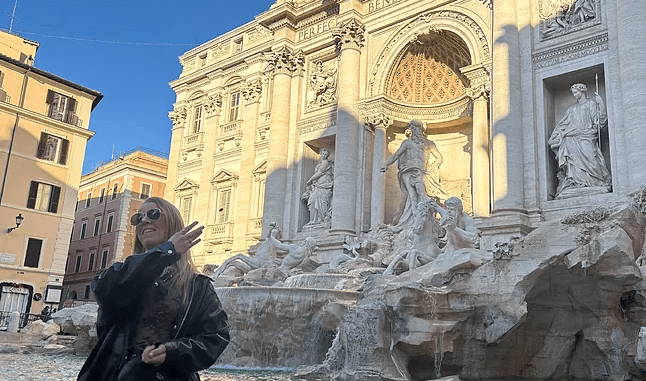
ROME (AP).— Tourists hoping to get close to the Trevi Fountain had to pay two euros (41.02 pesos) yesterday, as the city of Rome inaugurated a fee system to help raise money and control crowds at one of the most famous hydraulic works in the world.


The first tourists to pass through the new ticket control seemed indifferent to the fee, noting that it was a small price to pay for quality access to a fountain made famous by Federico Fellini’s film “La Dolce Vita.”
“Before there were problems accessing the fountain. There were a lot of people. Now, it’s very easy. You can take photos, you feel good, you’re comfortable, and two euros is not much,” said Moroccan tourist Ilhan Musbah.
The tourist fee was implemented along with a new entrance fee of five euros (almost six dollars) for some museums in the city. In both cases, Rome residents are exempt from fees and the additional revenue will actually expand the number of city-run museums that are free to registered Roman residents.
It is all part of the Eternal City’s efforts to manage tourist flows in a particularly congested area of the city, improve the experience and offset the maintenance costs of preserving all of Rome’s cultural heritage. Authorities believe it could generate an additional 6.5 million euros ($7.6 million) a year for the city.
The city decided to impose the Trevi Fountain fee after seeing positive results from a year-long experiment to stagger and limit the number of visitors who can reach the front edge of the fountain by imposing lines and paths for entry and exit.
“I think tourists were surprised by the fact that the city of Rome only asks two euros for a site of this level,” said Alessandro Onorato, Rome’s tourism advisor. “I think that if the Trevi Fountain were in New York, they would have charged at least 100 dollars (1,739 pesos).”
System on the rise
The fee follows a similar ticket system at Rome’s Pantheon monument and the more complicated tourist tax on day-trippers that the lagoon city of Venice imposed last year in a bid to address overtourism and make the city more liveable for residents.
Italian rates still pale in comparison to the 45% price increase that French authorities announced for the Louvre Museum for most non-European visitors. There, tickets can now cost up to 32 euros (656 pesos), when before they were 22 (451 pesos).
The Trevi Fountain fee, which can be paid in advance online, allows tourists to get closer to the fountain during peak daytime hours. The view for those who admire the late Baroque masterpiece from the square above remains free, as well as up close after certain hours.
The imposing fountain features the god Titan flanked by waterfalls cascading down travertine rocks into a shallow turquoise pool, where Marcello Mastroianni and Anita Ekberg took their famous nighttime dip in “La Dolce Vita.”
Although bathing is prohibited today, legend says that visitors who throw a coin over their shoulders and make a wish will return to Rome.
Leave a Reply